


Here’s what happened at Elon Musk’s meeting with civil rights leaders

After meeting with a group of civil rights leaders about his content moderation plans, new “Chief Twit” Elon Musk has committed to uphold existing election integrity policies until at least after the results next week’s U.S. midterm elections have been certified. According to statements from leaders who attended the meeting, the mogul said he will not reinstate previously banned Twitter users until there is a transparent process for doing so. Musk also committed to including representatives from groups that suffer from hate-fueled violence in his proposed content moderation council.

“Twitter will not allow anyone who was de-platformed for violating Twitter rules back on [the] platform until we have a clear process for doing so, which will take at least a few more weeks,” Musk wrote in a tweet about the meeting. He did not elaborate on what users would qualify to be reinstated.

Musk has not always followed through on promises he has made about his business plans, making it hard to take his plans at face value. But for now, he has claimed he won’t be making vital content moderation decisions alone. According to Musk’s tweets, his meeting included representatives from Free Press, the Asian American Foundation (TAAF), Color of Change, the NAACP, the Bush Center, the League of United Latin American Citizens (LULAC) and the Anti-Defamation League (ADL). TechCrunch reached out to these groups to independently confirm their attendance; all but the Bush Center, LULAC and TAAF have confirmed thus far.

“The NAACP met with Elon Musk to express our grave concerns with the dangerous, life-threatening hate and conspiracies that have proliferated on Twitter under his watch. According to a report, hate speech increased by approximately 500% in the first 12 hours following his acquisition. Now let that sink in,” said NAACP President Derrick Johnson in an emailed statement.

“Nazi memes, racial slurs, and extreme far-right propaganda do not belong in the ‘town square’ of any democracy or online platform. […] In the immediacy, it is critical that Twitter’s existing election integrity policies remain in effect until at the very least after the midterm elections have been certified.”

Multiple leaders present at yesterday’s meeting have been vocal critics of Musk’s ideas for Twitter. The CEO of the ADL, Jonathan Greenblatt wrote a statement after Musk took leadership of Twitter on Thursday, expressing the organization’s concern about the safety of marginalized groups on the platform.

“We are concerned that Mr. Musk’s acquisition of Twitter may accelerate what ADL has seen repeatedly: the pushing out of marginalized communities from social media,” the statement reads. “As with Telegram, Gab, Parler, Rumble, and other platforms that refuse to address incitement and slander in the name of free speech, such platforms have become hotbeds for radicalism and hate. This invariably reduces the diversity of views on these services and narrows rather than expands the public conversation.”

After he and ADL Vice President Yael Eisenstat participated in the virtual call with Musk, Greenblatt said that he is “cautiously optimistic” about Musk’s promises.

Free Press has also taken action to respond to Musk’s ownership of Twitter. Yesterday, Free Press and dozens of other civil society groups published an open letter, calling on top-20 advertisers to demand that Musk uphold the network’s existing content moderation policies.

“These commitments are a good first step but really just the beginning of a long process,” wrote Free Press co-CEO Jessica J. González in a statement. “As the report Free Press published last week shows, hate, abuse and conspiracy theories are rampant on Twitter. There is much more to do to make Twitter a space for robust and healthy dialogue.”

Musk had already stated that he wants to build a content moderation council, which will discuss issues like the ban on former President Donald Trump’s account, which Musk has said he believes was a mistake. Twitter permanently banned Trump’s account in the days after the insurrection at the U.S. Capitol because his tweets violated Twitter’s Glorification of Violence policy.

Even though Musk claims he will not re-platform any banned users until a clear process is established, users are concerned about how these plans will impact vulnerable groups, like the LGBTQ community. Last week, Musk replied to a tweet from the daughter of academic and self-help author Jordan Peterson, who was suspended from the platform for deadnaming trans actor Elliott Page and calling Page’s surgeon a “criminal physician” over the summer.

When she asked if he would bring her father back on the platform, he replied: “Anyone suspended for minor & dubious reasons will be freed from Twitter jail.” Even Senator Ted Cruz (R-TX) has tweeted at the SpaceX and Tesla CEO about reversing Peterson’s ban.


Even though Musk promised these civil rights leaders that his content moderation council will include members of groups who face hate-fueled violence, this claim is at odds with Musk’s recent platforming of anti-LGBTQ conspiracy theories. Musk’s own Twitter history doesn’t set a reassuring precedent either.

In April, he posted a meme making fun of Twitter’s head of policy and trust, Vijaya Gadde (who he fired immediately upon securing his takeover). The post, which criticized her for having a left-wing bias, incited a torrent of abusive, racist tweets at the executive. Earlier this month, Musk also warmly welcomed Ye (formerly Kanye West) to Twitter after he was suspended from Instagram for posting antisemitic messages. But twelve hours later, Ye was suspended from Twitter as well — he had continued his antisemitic tirade on the platform now owned by Musk, threatening that he was “going death [sic] con 3 On JEWISH PEOPLE.”

For the last week, Musk’s Twitter feed has provided real-time insight into his development of plans for the future of Twitter. And already, we’ve seen him waver and go back on his word on some of his proposals.

After backlash to the rumored idea that Musk would charge $20 per month for any user to be verified, he negotiated publicly with author Stephen King, who tweeted his distaste for the idea.

Even these changes to Twitter Blue subscriptions — something that is ostensibly outside of the trust and safety umbrella — have ramifications for content moderation. Despite days of mindlessly tweeting about “Twitter’s current lords & peasants system for who has or doesn’t have a blue checkmark,” Musk has not yet seemed to grasp that verification can be used as a tool to mitigate the spread of misinformation. He also does not seem to understand that his plan to make people pay $8 per month for priority in replies is actually antithetical to his vision of a “public town square,” because those who pay him will be algorithmically prioritized over those who don’t.

Ultimately, the long-term effectiveness of Musk’s meeting with civil rights leaders (and any claims he makes about Twitter) will only last so long as he keeps his word.

“Of course, actions speak louder than words,” said González in her statement. “We’ll be evaluating Musk closely and assessing whether he backs up his promises.”

Here’s what happened at Elon Musk’s meeting with civil rights leaders by Amanda Silberling originally published on TechCrunch


from https://ift.tt/Klp6aYy
via Technews
Share:

Lockheed Martin increases its bet on satellite manufacturer Terran Orbital with $100 million investment

Aerospace giant Lockheed Martin is deepening its investment in satellite manufacturer Terran Orbital with a $100 million investment and a cooperation agreement for the development and sale of smallsats through 2035.

Terran also announced that it will now build its massive, $300 million space vehicle manufacturing facility in Irvine, California, not Florida as originally planned. CEO Marc Bell told press that the company decided to move the facility to California, where Terran Orbital already has a substantial footprint, because it could move into the facilities faster than in Florida. It’s a big loss for Space Florida, the state’s economic development agency focused on aerospace, which was going to provide the conduit financing for the facility.

Boca Raton, Florida-based Terran Orbital is a contract manufacturer, designing and building satellites for the U.S. government and commercial customers. Bell estimated to TechCrunch in an interview last year that around 95% of the company’s work is related to the Department of Defense and NASA.

Lockheed Martin made its first investment in Terran back in 2017; the following year, it led a $36 million investment round. The new funds from Lockheed will go toward acquiring additional assembly space and increasing satellite module production, Terran said in a statement. The smallsat manufacturer also said it planned on expanding its offerings to include a synthetic aperture radar satellite product line and satellite components and subassemblies, like reaction wheels and star trackers.

The company was originally planning to launch and operate its own SAR satellite constellation, called PredaSAR, but it decided to pivot from those plans and offer the technology as a product instead. Terran said the conflict in Ukraine showed the need for advanced satellite imagery.

Terran Orbital is one of a handful of space ventures that have gone public via a merger with a special purpose acquisition vehicle, or SPAC. The company’s stock price saw a brief price jump with the news about the deal with Lockheed, closing on October 31 at $2.62 a share. Like other companies post-SPAC merger, Terran’s stock value has plummeted since its public market debut: it’s currently down around 72% year to date.

Lockheed Martin increases its bet on satellite manufacturer Terran Orbital with $100 million investment by Aria Alamalhodaei originally published on TechCrunch


from https://ift.tt/vtgyVfR
via Technews
Share:

Twitch opens Guest Star up so anyone can run their own talk show now

With its biggest product launch in years, Twitch is betting on a near-future of the platform that features more dynamic conversations, expanding its current focus beyond mostly solo streamers. Through a new tool called Guest Star, which launched in a limited beta earlier this year, streamers can now easily pull other creators and fans into their streams for talk show-like experience.

Guest Star makes it possible for anyone to pull up to five speakers into a stream at once. Creators can can host and manage guests from Twitch Studio and OBS, the streaming software of choice for many of the app’s more advanced creators. Guest Star can be enabled through the creator dashboard where it’s now available to everyone.

With Guest Star, streamers can directly invite guests or tap members of chat to join. Viewers in chat can also ask to be featured on stream, providing another way for creators to incentivize and reward their supporters. Hopping into someone else’s stream just requires clicking a popup notification and guests can join with either video or just audio enabled, a setting that the host can determine and toggle on and off.

Moderation tools give hosts a few ways to manage what guests do, including controlling their audio levels, disabling video like we mentioned and ultimately giving them the boot if they misbehave. Twitch’s suspicious user detection feature adds a layer of safety for hosts looking to choose members of chat to bring into a stream. As an additional safety layer, only phone-verified Twitch users can appear as guests and a digital “backstage” area makes it possible to lay out ground rules and coordinate before

Twitch sees Guest Star as a natural evolution of the success it’s seen in the “Just Chatting” category, which has exploded since 2020. Comparing the first five months of 2022 to the first half of that year, hours watched in the category shot up 151% and Just Chatting creator revenue grew 169%.

Twitch opens Guest Star up so anyone can run their own talk show now by Taylor Hatmaker originally published on TechCrunch


from https://ift.tt/C1FsgdB
via Technews
Share:

Facebook expands its professional mode profile setting to all creators globally

Meta has announced the global expansion of its professional mode profile setting on Facebook to all creators. Professional mode is designed to be used by creators looking to monetize their followings on the social network. Facebook began testing professional mode with select creators in December 2021 and is now offering it to anyone on its platform.

Professional mode is somewhat similar to Pages in the sense that it gives creators a separate profile to build their presence on the social network. In a blog post, Facebook said that it sees professional mode as a way to “build a public following, earn money from various monetization programs, and connect with your audience in more meaningful ways.”

The profile setting gives creators access to monetization features and analytics tools, such as Facebook’s Reels Play bonus program that allows you to earn money for the reels you share. Professional mode also gives eligible creators access to Stars, which lets you earn money directly from followers on reels, live and video on demand.

In-stream ads will also be launching to eligible professional mode creators, which gives them the opportunity to earn money by enabling ads before, during or after longer videos on demand on Facebook. The company is also testing ads on Facebook Reels on professional mode with a select group of creators across the globe. The company says the ad format integrates into reels by placing ads on reels or in between looping reels.

Creators on professional mode also get access to subscriptions, which gives creators the option to share subscriber-only content on the social network. Subscriptions haven’t fully rolled out yet, and are still in the testing phase.

“Professional mode allows you to build a global audience of followers, while still staying connected to friends and family from your personal Facebook profile,” the company said in the blog post. “As you post public content, you’ll have access to features designed to help you obtain and engage new followers – that were previously only available on Pages.”

The expansion comes at a time when Meta is investing in its creator user base, as it sees the potential in a new revenue stream that comes from things like creator subscriptions. As Meta continues to build the metaverse, it’ll need the support of creators, so it’s not surprising that it’s looking to broaden its offerings for creators.

Facebook expands its professional mode profile setting to all creators globally by Aisha Malik originally published on TechCrunch


from https://ift.tt/tMeK1Sx
via Technews
Share:

Connect with Hedera, Wilson Sonsini and MetaJuice at TC Sessions: Crypto

TechCrunch has a long history of partnering with great companies that are not only subject-matter experts, but committed to supporting early-stage startups, too. While this is our first official conference dedicated to the space, TC Sessions: Crypto — November 17 in Miami — is no exception to our great partners rule. 

Whether it’s blockchain-, crypto-, DeFi-, NFT- or web3-based, building a startup in the cryptoverse is no easy task — not exactly a newsflash, we know. One of the things our partners do best is provide their expertise and educational resources. They present sessions on a range of topics that help founders gain the confidence and know-how they need to move their startup forward.

Keep in mind that, even as our partners dispense valuable insight from our stages, they’re always looking to engage with interesting founders and startups to explore potential partnerships and new opportunities. Let the networking begin.

Take a look at some of the speakers and topics that our partners will present in Miami at TC Sessions: Crypto — and be sure to explore the full agenda.

Bringing DeFi to the Masses: How Do We Make DeFi a Seamless, Easy Reality for Millions of Users Who Aren’t Crypto Experts — Currently, 72% of the world’s population has, or will soon have, access to instant payments, according to the 2022 Worldpay from FIS Global Payments Report. Many markets are also replacing or renovating their established real-time services to cater to instant payments. What does it take to onboard these users to a web3-first, DeFi world? How simple must it be, and how quickly can we get there? 

In this session, Zenobia Godschalk, SVP of Communications, Swirlds Labs, and Mina Khattak, Director, Crypto and Emerging Business at Worldpay from FIS, will address these questions and more from the perspective of one of the world’s largest payment firms. Sponsored by Hedera.

Keeping It Legal — The legal issues associated with crypto and web3 are complex. Tech companies may need to consider balancing the ethos of the blockchain industry with protecting their revenue models and reducing regulatory risk. How are they structuring financings — with equity or tokens or both? How can they protect their IP in an open source world? What contracts do they need with customers and service partners? And what are the best ways to operate within regulatory uncertainty and an anticipated wave of enforcement actions? 

Attorney Amy Caiazza, Partner and Practice Group Leader, Fintech and Financial Services at Wilson Sonsini; Jonathan Chan, Corporate Counsel, Wilson Sonsini; Neel Maitra, Partner, Fintech & Financial Services, Wilson Sonsini; and Scott McKinney, Partner, Technology Transactions, Wilson Sonsini, will address these and other questions, including questions from the audience. Sponsored by Wilson Sonsini.

Creating a True, User-Led Metaverse — The metaverse provides a virtual space that connects people, worlds and communities. A place where users can exchange currency and goods between themselves, not the company behind the platform. As the internet evolves, we hold the responsibility to create platforms that encompass diversity and inclusion, ownership of data, security and sustainability. As leaders in this space, how do we create an environment that allows users and creators to explore their imaginations and earning potential without limits?

Chris Jones, Head of Business and Development, MetaJuice; Natalia Mazzuchelli, Strategic Partner Success Manager, ImmutableX; and Alex Mogul, Director, Republic Crypto, will address these and other challenges to building an inclusive, secure and sustainable metaverse. Sponsored by MetaJuice

Don’t miss your chance to hear, connect and network with some of the leading movers and shakers bent on redefining the future of finance, blockchain and the web at TC Sessions: Crypto on November 17. Buy your pass now to nab the early-bird price and save $150. We can’t wait to see you in Miami!

Is your company interested in sponsoring or exhibiting at TC Sessions: Crypto? Contact our sponsorship sales team by filling out this form.

Connect with Hedera, Wilson Sonsini and MetaJuice at TC Sessions: Crypto by Lauren Simonds originally published on TechCrunch


from https://ift.tt/x9n4d0V
via Technews
Share:

TechCrunch+ roundup: 2022 R&D tax prep, social media for founders, managing remote teams

As director of Techstars’ startup pipeline, Saba Karim spends much of his time touting the ways entrepreneurs can benefit by joining an accelerator.

But is it the right choice for every founder?

After he posted a thread on Twitter offering several rationales explaining why some should definitely avoid them, I invited him to adapt it for a TC+ guest post we published yesterday.

“Keep in mind that funding will solve your money problems, but it won’t solve everything else,” he writes.


Full TechCrunch+ articles are only available to members.
Use discount code TCPLUSROUNDUP to save 20% off a one- or two-year subscription.


“You’ll still need to figure out how to acquire customers, find the best talent, build an incredible product, assemble a great advisory board and get to product-market fit.”

His article confirms a suspicion I’ve long harbored: Many entrepreneurs pursue accelerators so they can gain access to investors, score free publicity or receive positive reinforcement for their idea.

But none of those are determining factors for success. “If you’re not living and breathing your startup, you’re going to struggle anyway,” says Karim.

If you have information, knowledge or experience to share that could help early-stage startup founders, investors and workers make better decisions, please review our submission guidelines and drop us a line.

Thanks very much for reading,

Walter Thompson
Editorial Manager, TechCrunch+
@yourprotagonist

These founders landed early checks by being savvy about social media

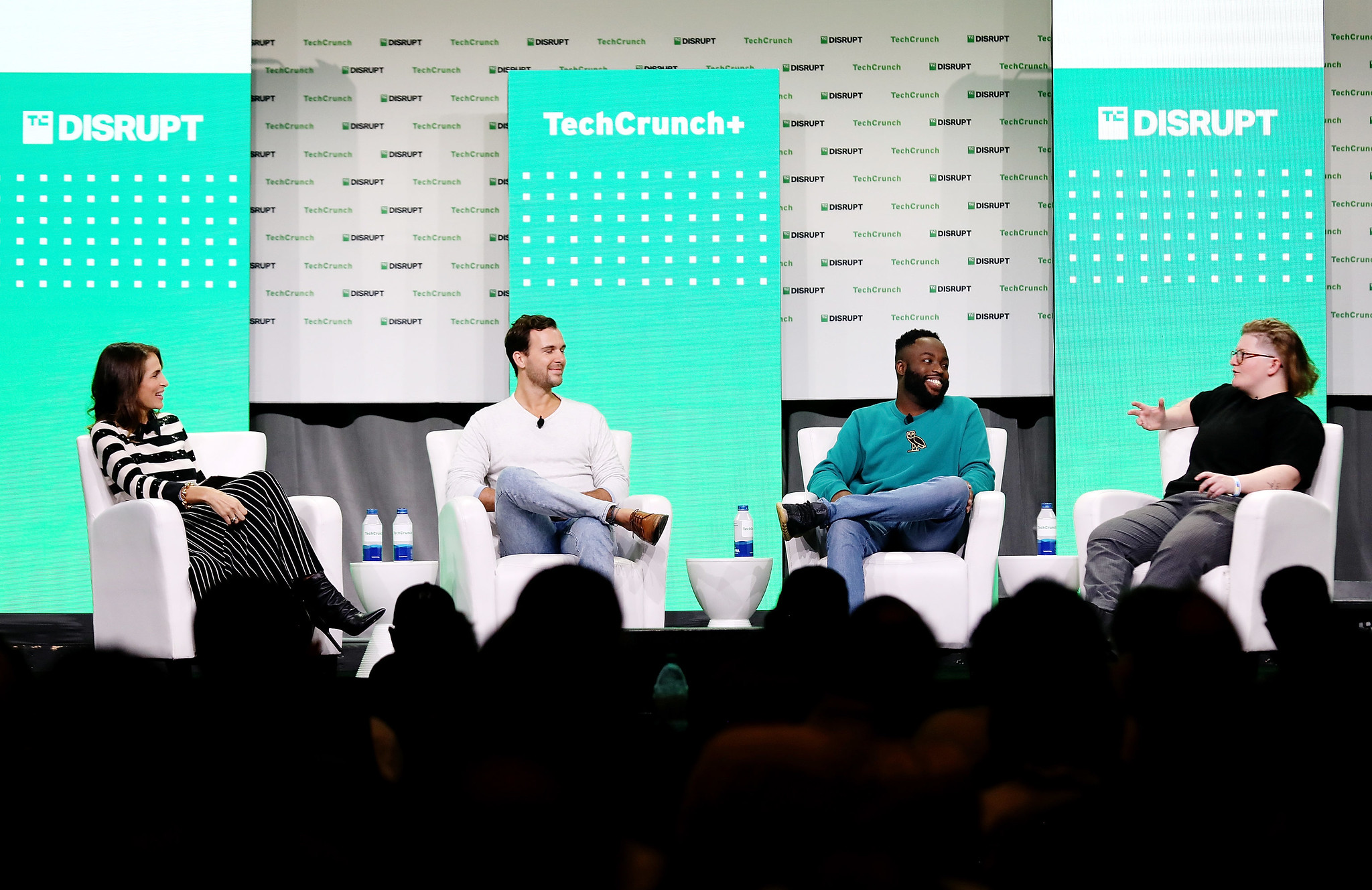
SAN FRANCISCO, CALIFORNIA - OCTOBER 18: (L-R) Connie Loizos, Silicon Valley Editor, TechCrunch, Nik Milanović, Founder, This Week in Fintech; General Partner, The Fintech Fund, Joshua Ogundu, CEO, Campfire and Gefen Skolnick, Founder, Couplet Coffee speak onstage during TechCrunch Disrupt 2022 on October 18, 2022 in San Francisco, California. (Photo by Kelly Sullivan/Getty Images for TechCrunch)

(L-R) Connie Loizos, Silicon Valley editor, TechCrunch, Nik Milanović, founder, This Week in Fintech; general partner, The Fintech Fund, Joshua Ogundu, CEO, Campfire and Gefen Skolnick, founder, Couplet Coffee. Image Credits: Kelly Sullivan/Getty Images for TechCrunch

Is there a correlation between being extremely online and a founder’s ability to fundraise?

According to three entrepreneurs Connie Loizos spoke with at TechCrunch Disrupt, a social media presence that blends aspects of your business and personal lives can “make it easier to connect with investors and customers.”

Nik Milanović (founder, This Week in Fintech), Gefen Skolnick (founder, Couplet Coffee) and Josh Ogundu (CEO, Campfire) talked about the benefits and downsides of using TikTok, Twitter and other platforms to build authentic personal and business brands.

“I even tweeted yesterday that it was kind of not a good day as a founder, and it was really nice and people engaged with that,” said Skolnick. “I don’t believe in constantly showing that things are good. Some days things are just not good.”

How to effectively manage a remote team during wartime

Image Credits: Anna Fedorenko / Getty Images

“There are a lot of studies about crisis management on the web, but none of them tell us how to manage a company during times of war,” according to Alex Fedorov, CEO and founder of Ukrainian startup OBRIO.

Prior to Russia’s invasion, “our company had never seen a real crisis,” he writes in a post that presents the six methods his company used to maintain continuity while protecting workers.

“Training to manage stress, anxiety and personal finances will help your employees build the needed knowledge and respond to tough situations.”

3 founders discuss how to navigate the nuances of early-stage fundraising

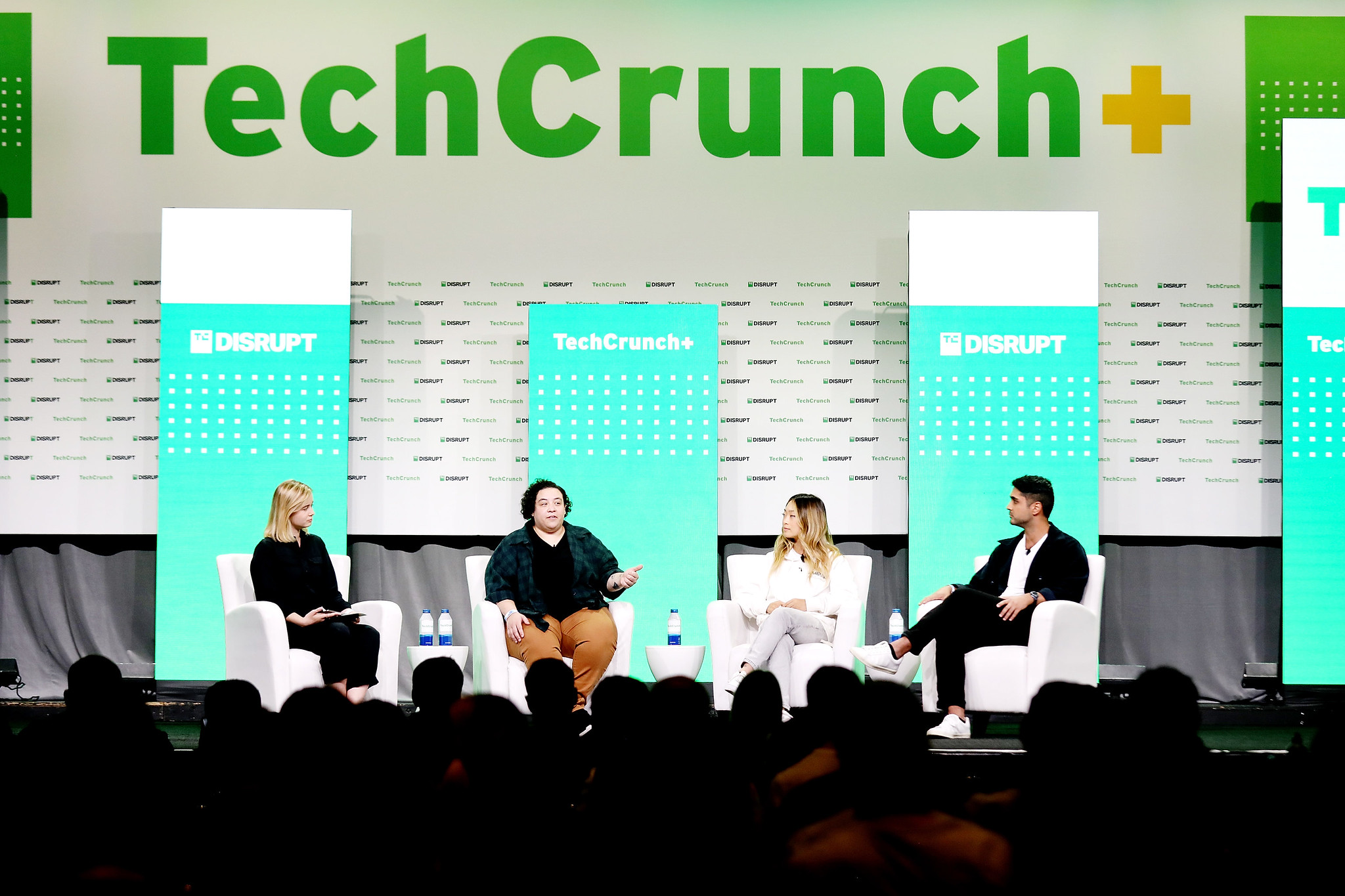
Rebecca Szkutak, senior writer at TechCrunch+; Amanda DoAmaral, co-founder and CEO, Fiveable; Sara Du, co-founder and CEO, Alloy Automation; and Arman Hezarkhani, founder & CEO, Parthean speak onstage during TechCrunch Disrupt 2022.

Image Credits: Kelly Sullivan / Getty Images

Founders who have raised funds for early-stage startups in the last year have generally had an easier time than people seeking Series A money (or later). Then again, “easy” is such a relative term.

At TechCrunch Disrupt, Rebecca Szkutak spoke to three entrepreneurs to learn more about how they adjusted their expectations and tactics as they approach investors during a downturn:

  • Amanda DoAmaral, co-founder and CEO, Fiveable
  • Arman Hezarkhani, founder, Parthean
  • Sarah Du, co-founder, Alloy Automation

Prepare to amortize: Inflation may spell doom for R&D tax expensing

Water pouring out of holes in bucket

Image Credits: Fancy/Veer/Corbis (opens in a new window) / Getty Images

The U.S. federal government has made R&D tax credits available for decades, but a major change set to take place this year will impact startups across the board.

Previously, R&D expenditures could be expensed upfront, but now, “those expenses will need to be amortized over five years in the case of domestic research, and 15 years for foreign research,” according to tax attorney Andrew Leahey.

Because so many startups “incur the bulk of their R&D costs in their first year of operation,” many could wait “the equivalent of a lifetime” to recover those expenses.

High inflation has stalled efforts to repeal the amortization requirement, so Leahey shares several tactics companies can use “to prepare for the possibility of the rule coming into effect.”

Remote work is here to stay. Here’s how to manage your staff from afar

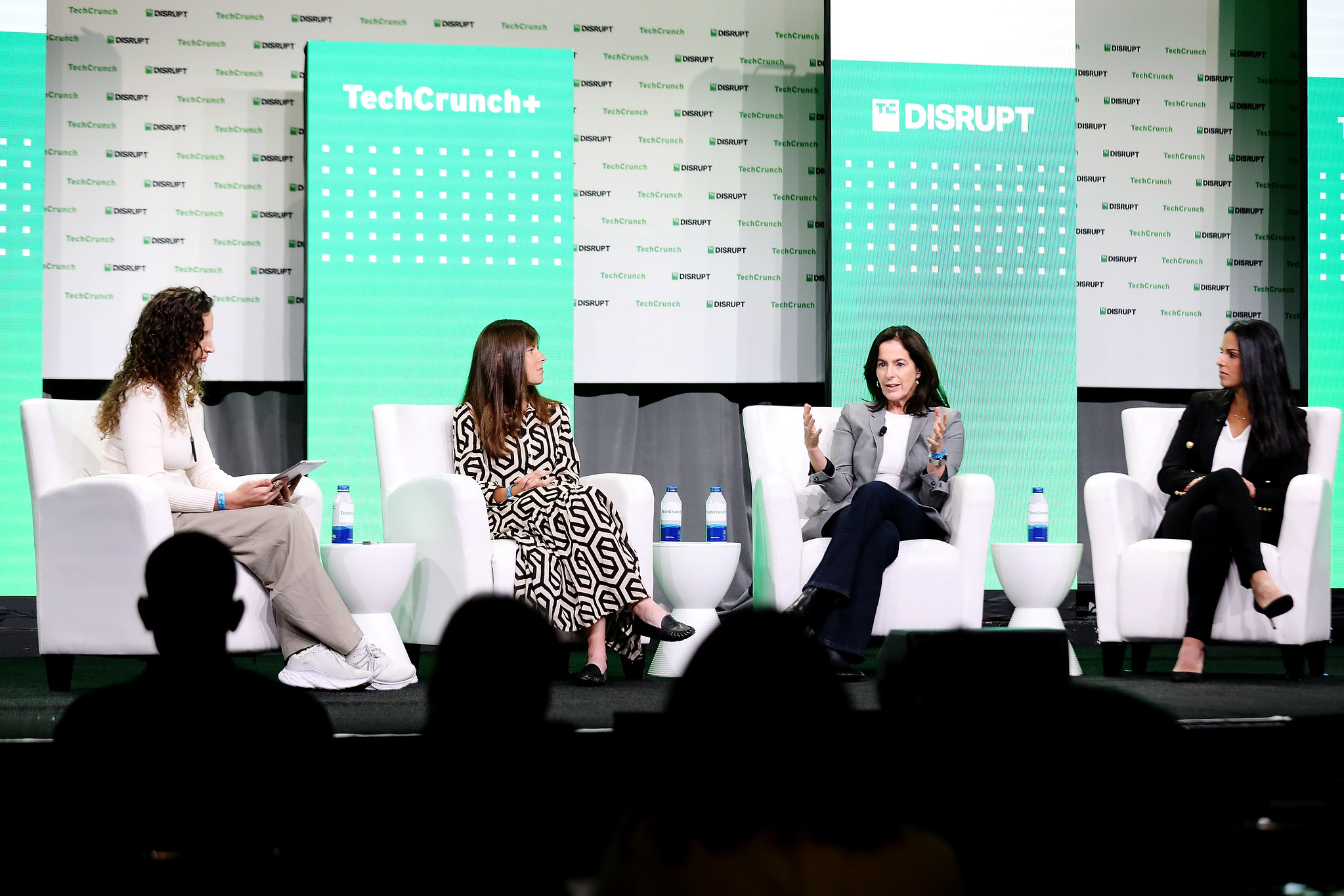
TechCrunch's Rebecca Bellan; angel investor Allison Barr Allen of Trail Run Capital; Deidre Paknad, co-founder and CEO of WorkBoard; and Adriana Roche, chief people officer of MURAL, speak onstage during TechCrunch Disrupt 2022.

Image Credits: Kelly Sullivan / Getty Images

Before the pandemic, most startup workers had the same experience on their first day: set up a new laptop, fill out some onboarding paperwork, then start gathering intel on the best places to grab lunch near the office.

Now that so many teams are hybrid or fully remote, companies are learning the importance of fostering company culture and community from day one, a topic Rebecca Bellan delved into at TechCrunch Disrupt with three experienced managers:

  • Adriana Roche, chief people officer, Mural
  • Deidre Paknad, CEO and co-founder, WorkBoard
  • Allison Barr Allen, angel investor, Trail Run Capital

“The biggest learning for us over the last three years was that it’s very difficult to really build expertise in a domain or a subject through Zoom,” said Paknad.

How our startup made it through 2 recessions without relying on layoffs

Woman slacklining in bare feet; tightrope

Image Credits: Aaron Black (opens in a new window) / Getty Images

So far this year, about 45,000 tech workers have been laid off. If that’s hard to visualize, imagine a sold-out Mets game at Citi Field in New York City.

Cutting staff is standard operating procedure during a downturn, but Sachin Gupta, who leads sales, marketing and general operations for HackerEarth, says his company has weathered two recessions without resorting to mass firings.

“At any given time, our staff portfolio operates at about 90% of what we consider ideal,” he says. “Think of this like the distance you have to maintain between you and the car in front of you when you’re driving on the highway.”

“If we staff our teams to fit 100% of our needs (following too closely), then there is a domino effect when the market changes rapidly, causing internal ‘accidents.'”

TechCrunch+ roundup: 2022 R&D tax prep, social media for founders, managing remote teams by Walter Thompson originally published on TechCrunch


from https://ift.tt/ZKpnUMR
via Technews
Share:

Upstart lays off 7% staff amid weakening demand for loans

Lending giant Upstart has laid off about 140 employees — or 7% of its total workforce — who help process loan applications, sources told TechCrunch.

The cloud-based AI lending platform notified its affected employees about the layoff on Tuesday. Upstart had about 2,000 employees, according to the company, which confirmed the layoffs.

“Given the challenging economy, we are making this difficult decision for the long-term health of the company. We do not expect any further layoffs, and continue to hire for roles that are strategic to our business,” Upstart spokesperson Mike Nelson said in a statement.

Upstart said in its latest 8-K filing with the U.S. Securities and Exchange Commission that the decision was due to ongoing economic challenges and the “reduction in the volume of loans” on its platform. However, the company would not confirm the exact drop in its loan volumes.

In its last quarterly results in August, the California-based company reported a 72% annual increase in loan volumes on its platform from 456,610 in the first half of 2021 to a total of 786,675 in the same period a year later. The earnings for the third quarter are due on November 8.

Upstart is facing difficulties owing to weakening demand for loans in the U.S. due to significant hikes in interest rates by the U.S. Federal Reserve to cope with the global rise in inflation. The company’s share price dropped by 84% this year. Upstart was trading at $22.88 in afternoon trading on Tuesday.

The market cap of Upstart rose to nearly $32 billion at one point after its public debut in November 2020. Since, the company’s total stock value dipped to less than $2 billion earlier on Tuesday.

Unfavorable economic conditions have not only impacted the lending industry but also many technology companies around the globe. Telehealth unicorn Cerebral, online real estate marketplace Zillow, and SurveyMonkey parent Momentive Global have all laid off employees in recent weeks. Companies including Netflix, Spotify and Tencent also made similar decisions. Indian startups such as Byju’s and Ola have also sacked their employees amid the dip in funding and investments.

Upstart lays off 7% staff amid weakening demand for loans by Jagmeet Singh originally published on TechCrunch


from https://ift.tt/2xhFG8l
via Technews
Share:

Popular Post

Search This Blog

Powered by Blogger.

Labels

Labels

Most view post

Facebook Page

Recent Posts

Blog Archive